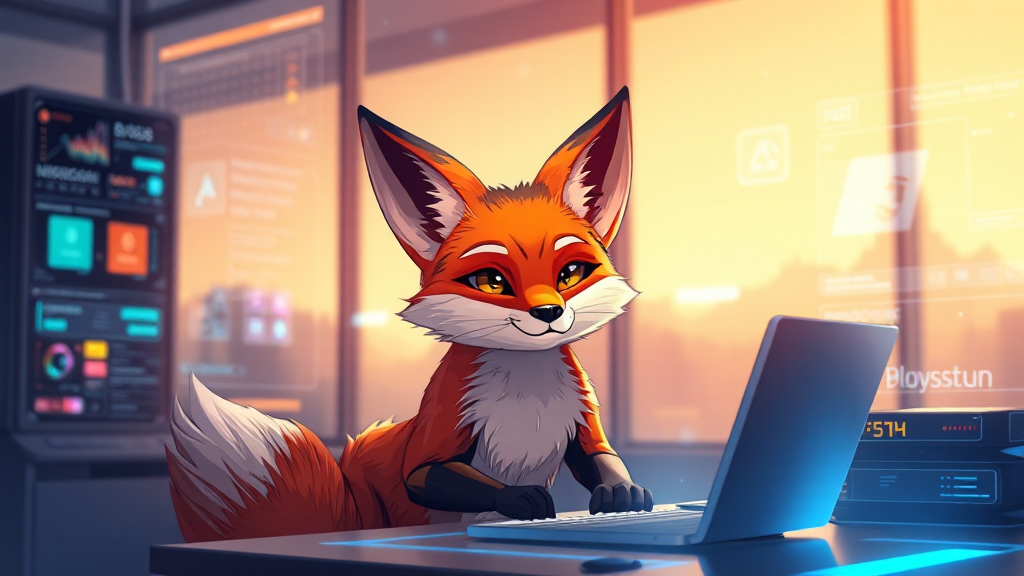
Furry AI Characters: How Digital Personas Are Reshaping Online Storytelling
The rise of furry AI characters represents one of the more fascinating intersections of artificial intelligence, fandom culture, and interactive entertainment. What began as a niche interest within online communities has evolved into a mainstream digital phenomenon, with AI-powered anthropomorphic personas becoming central to how millions of people explore creativity, companionship, and narrative. These characters are not simply static artwork or pre-written scripts; they are dynamic, responsive entities capable of holding conversations, remembering context, and adapting their personalities over time. For anyone curious about where digital entertainment is heading, understanding furry AI characters offers a revealing window into the future of human-computer interaction.
The appeal is broad. Some users are drawn to the visual creativity of anthropomorphic design, where animal traits blend with human expressions and personalities. Others are captivated by the conversational depth these AI personas can achieve, turning simple chat sessions into ongoing stories. Regardless of the entry point, the underlying technology is the same: large language models and generative systems trained to produce coherent, emotionally resonant dialogue and imagery. The result is a category of digital character that feels alive in ways earlier chatbots never managed.
What Exactly Are Furry AI Characters?
At its core, a furry AI character is a virtual persona that combines anthropomorphic animal traits with artificial intelligence. The “furry” element refers to the long-standing creative tradition of giving animals human-like characteristics, whether that means walking on two legs, speaking, or expressing complex emotions. The “AI” element refers to the technology that brings these characters to life through natural language processing, machine learning, and generative models.
Unlike a traditional video game character with a fixed script, a furry AI character can respond to unpredictable input. Ask it about its favorite music, its hometown, or its opinion on a philosophical question, and it will generate a contextually appropriate answer. This flexibility is what makes the experience feel personal. Users are not just consuming content; they are co-creating it in real time.
Many platforms now host libraries of these characters, each with distinct backstories, personality traits, and visual designs. Some are designed for lighthearted conversation, while others support more elaborate roleplay scenarios. The diversity of available personas means there is rarely a single “type” of furry AI character; instead, the category spans a wide spectrum of creative expression.
The Technology Behind the Persona
Understanding how furry AI characters work requires a basic grasp of the underlying systems. Most rely on large language models that have been fine-tuned or prompted to adopt specific personalities. These models analyze user input and generate responses that match the character’s established voice, tone, and knowledge base. Memory features allow the AI to recall previous conversations, which is crucial for maintaining continuity in long-term interactions.
On the visual side, generative image models create or customize the appearance of these characters. Users can often specify species, color palette, clothing, and even artistic style. Some platforms combine text and image generation so that a character can describe itself and then produce a visual representation on demand. This multimodal approach deepens immersion and gives users more control over their creative vision.
Another important technical component is safety and moderation. Responsible platforms implement filters and guidelines to keep interactions appropriate and to prevent misuse. This is especially important given that many users are exploring personal, emotional, or creative territory. The best implementations balance openness with safeguards, allowing for rich expression without compromising user well-being.
Why People Are Drawn to Anthropomorphic AI
The popularity of furry AI characters can be attributed to several overlapping motivations. First, there is the sheer creative freedom. Unlike human characters, anthropomorphic personas allow users to explore identity, relationships, and scenarios without the constraints of realism. A conversation with a dragon, a fox, or a wolf opens narrative possibilities that feel fresh and imaginative.
Second, there is the comfort factor. Many users find these characters easier to talk to than human interlocutors, especially when discussing sensitive topics or practicing social interaction. The non-judgmental nature of an AI persona can create a safe space for self-expression. This does not replace human connection, but it can complement it in meaningful ways.
Third, there is the community aspect. Furry fandom has always been built on shared creativity, from art and writing to costumes and conventions. AI characters extend that tradition into the digital realm, giving fans new tools to bring their ideas to life. The result is a vibrant ecosystem where users share prompts, character designs, and conversation tips.
Practical Uses Beyond Entertainment
While entertainment is the most visible application, furry AI characters have practical uses that are worth noting. Writers use them to brainstorm dialogue and develop character voices. Game developers prototype NPCs with more natural conversational abilities. Educators and therapists have explored similar technology for role-playing exercises and social skills training, though furry-specific applications in these fields are still emerging.
Language learners can also benefit. Conversing with an AI persona in a target language provides low-pressure practice with immediate feedback. The anthropomorphic framing can make the experience more engaging, especially for younger learners or those who find traditional study methods dry.
For artists, these characters serve as collaborative partners. An illustrator might describe a scene and receive a detailed textual response that sparks new visual ideas. A musician might use a character’s backstory to inspire lyrics. The technology becomes a creative catalyst rather than a replacement for human ingenuity.
Designing a Character That Feels Real
Creating a compelling furry AI character involves more than picking an animal and a name. The best characters have consistent personalities, clear motivations, and distinct speech patterns. A backstory helps anchor the character in a world, even if that world is only implied. Details like favorite foods, fears, and quirks add texture that makes conversations feel authentic.
Writers and designers often start with a character sheet that outlines key traits. They then test the character through sample dialogues, refining the prompt or training data until the responses feel right. Iteration is key; few characters are perfect on the first attempt. Over time, a well-crafted persona can develop a loyal following among users who appreciate its unique voice.
Visual consistency matters too. If a character is described as having silver fur and green eyes, the generated images should reflect that. Inconsistencies break immersion and undermine trust. Platforms that offer robust customization tools make it easier to maintain a coherent look across multiple interactions.
Ethical Considerations and Responsible Use
As with any powerful technology, furry AI characters raise ethical questions. Privacy is a primary concern; users should understand how their conversations are stored and used. Transparency from platform operators is essential. Consent and age-appropriateness are also important, particularly when characters are designed for romantic or mature themes.
There is also the question of emotional dependency. While AI companionship can be beneficial, it should not become a substitute for human relationships. Healthy use involves balance and self-awareness. Platforms can support this by providing resources and encouraging breaks.
Finally, respect for the furry community itself matters. The fandom has a rich history and diverse membership. AI tools should celebrate that diversity rather than reduce it to stereotypes. Inclusive design and community consultation help ensure that the technology serves rather than exploits its audience.
The Future of Digital Companionship
Looking ahead, furry AI characters are likely to become more sophisticated. Advances in memory, emotional modeling, and multimodal interaction will make conversations feel even more natural. We may see characters that can participate in shared virtual worlds, collaborate on projects, or adapt their appearance in real time based on context.
Integration with virtual and augmented reality could deepen immersion further. Imagine a character that recognizes your voice, remembers your preferences, and appears as a holographic companion in your living room. While such scenarios are not yet mainstream, the building blocks are already in development.
Ultimately, the story of furry AI characters is a story about human creativity. These tools do not replace imagination; they amplify it. They give form to ideas that might otherwise remain unspoken and offer new ways to connect with stories, with technology, and with ourselves.
FAQ
What are furry AI characters?
Furry AI characters are virtual personas that combine anthropomorphic animal traits with artificial intelligence. They can hold conversations, remember context, and adapt their personalities, making them feel like interactive companions rather than static scripts.
Are furry AI characters safe to use?
Safety depends on the platform. Reputable services implement moderation, privacy protections, and age-appropriate content filters. Users should review a platform’s policies and use the technology responsibly, balancing digital interaction with real-world connections.
Can I create my own furry AI character?
Yes, many platforms allow users to design custom characters by specifying species, personality traits, backstory, and visual details. Some offer tools for generating images and refining dialogue, making it possible to build a unique persona from scratch.
Are furry AI characters only for entertainment?
While entertainment is the most common use, these characters also support creative writing, language practice, game development, and social skills training. Their flexibility makes them valuable in both casual and professional contexts.
Do furry AI characters replace human interaction?
No, they are best viewed as complements rather than replacements. They can offer comfort, inspiration, and practice opportunities, but healthy use involves maintaining real-world relationships and being mindful of time spent online.




More Stories
All Yono Games App: A Complete Guide to Discovery, Listings, and Safe Browsing
CrushOn AI: A Practical Guide to Custom AI Companionship
Sex Chat AI: How Conversational Intimacy Is Being Reimagined Online