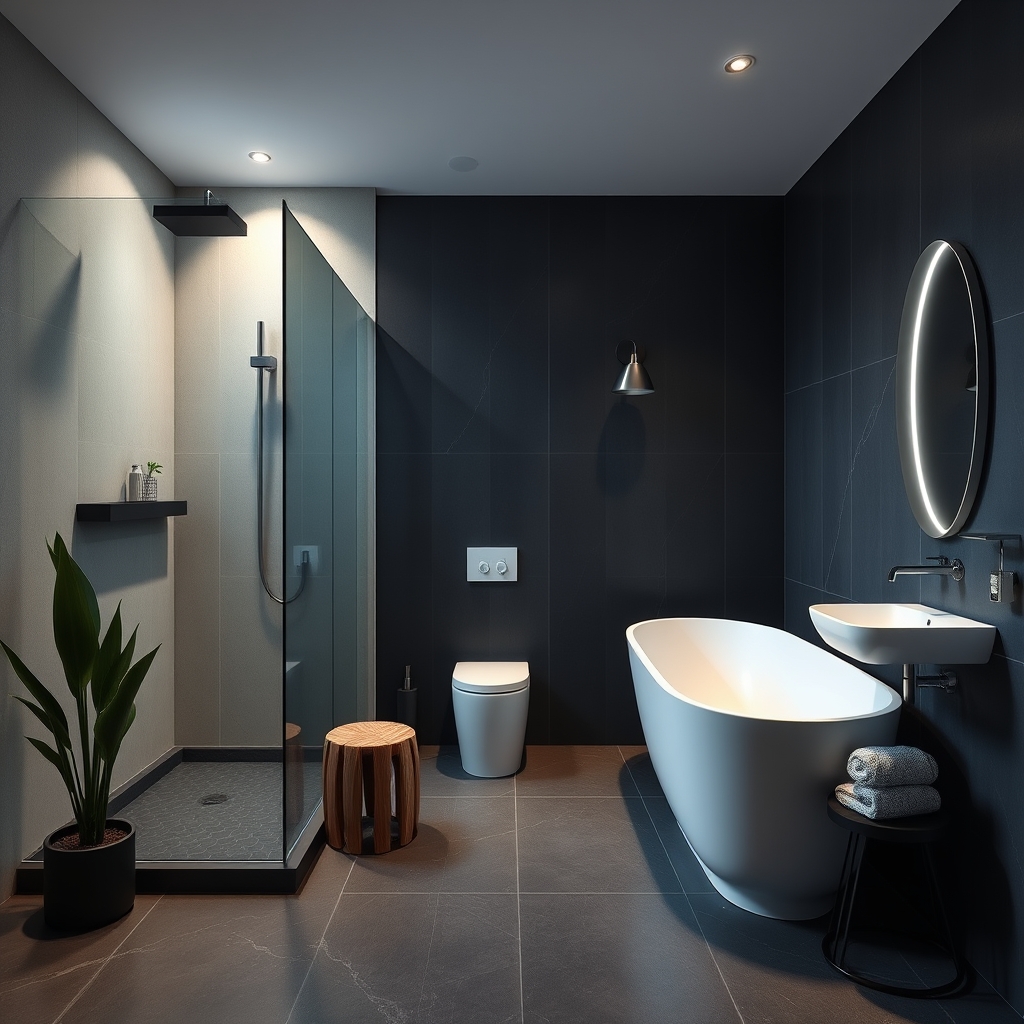
Bathroom Renovation Sydney: Transform Your Space with Expert Craftsmanship
Learn more about Bathroom Renovation Sydney and how it applies to your specific needs.
Embarking on a project is one of the most rewarding home improvements you can undertake. A well-designed bathroom not only enhances daily comfort but also significantly boosts property value. Whether you are updating a tired ensuite, modernising a family bathroom, or creating a luxurious spa-like retreat, the process requires careful planning, skilled tradespeople, and a clear vision. In this comprehensive guide, we explore every aspect of renovating a bathroom in Sydney—from budgeting and design trends to choosing the right professionals and navigating council approvals. By the end, you will have a thorough understanding of what it takes to achieve a stunning result that stands the test of time.
Learn more about Bathroom Renovator and how it applies to your specific needs.
Sydney’s unique climate and architectural styles demand specific considerations. Coastal homes may require moisture-resistant materials, while heritage properties need sympathetic updates that preserve character. Working with an experienced ensures that local building codes are met and that your renovation is tailored to your home’s specific needs. From the initial consultation to the final reveal, a professional approach saves time, reduces stress, and delivers a finish that exceeds expectations.
Why Invest in a Bathroom Renovation in Sydney?
Bathrooms are among the most used rooms in any home, and wear and tear become evident over time. Cracked tiles, outdated fixtures, poor lighting, and inefficient layouts can make a bathroom feel cramped and uninviting. A renovation allows you to address these issues while incorporating modern amenities such as rainfall showers, heated flooring, and smart storage solutions. Moreover, a stylish, functional bathroom appeals to potential buyers, offering a strong return on investment when it comes time to sell.
Beyond aesthetics, energy and water efficiency are key motivators. Replacing old toilets, taps, and showerheads with WaterMark-approved fixtures reduces utility bills and supports environmental sustainability. Many Sydney homeowners also take the opportunity to improve ventilation, preventing mould and mildew that thrive in humid conditions. By investing in a quality renovation, you create a healthier, more enjoyable space for your family.
Planning Your Bathroom Renovation: Key Steps
Successful start with thorough planning. Begin by assessing your current bathroom’s strengths and weaknesses. Make a list of must-haves versus nice-to-haves, and set a realistic budget that includes a contingency for unexpected issues. In Sydney, renovation costs can vary widely based on the scope of work, materials chosen, and the complexity of the layout. A typical bathroom renovation might range from $15,000 to $40,000 or more for high-end finishes.
Next, consider the layout. Moving plumbing fixtures such as toilets, showers, and basins significantly increases costs. If possible, work with the existing plumbing footprint to keep expenses manageable. However, if a complete reconfiguration is necessary to improve flow or add space, factor in additional plumbing and structural work. Draw up a floor plan and visualise the final look using mood boards or design software. This helps communicate your ideas to contractors and ensures everyone is on the same page.
Once your plan is solid, obtain quotes from at least three reputable builders or renovation specialists. Check their licences, insurance, and references. Ask to see examples of completed projects similar to yours. A professional expert will provide a detailed scope of work, timeline, and payment schedule. Remember that the cheapest quote is not always the best value—quality craftsmanship and reliable service are worth paying for.
Design Trends for Sydney Bathrooms
Bathroom design trends in Sydney lean towards timeless elegance with a touch of contemporary flair. Neutral palettes featuring whites, greys, and natural stone textures remain popular, as they create a calm, spa-like atmosphere. Adding warmth through timber vanities or gold/brass fittings introduces a sense of luxury without overwhelming the space. Large-format tiles are a favourite choice, as they minimise grout lines and make the room appear larger.
Another trend is the use of wet areas—open showers with no step or curb, often combined with a freestanding bathtub. This layout not only looks sleek but also improves accessibility. Smart technology is also making its way into bathrooms, with features such as digital shower controls, heated towel rails, and mirrors with integrated lighting and demisters. These additions enhance convenience and comfort, especially during Sydney’s cooler months.
Storage remains a priority. Built-in niches in showers, floating vanities with drawers, and tall cabinets maximise space without clutter. For smaller bathrooms, pocket doors and wall-hung toilets free up floor area, creating an airy feel. Ultimately, the best design balances aesthetics with practicality, ensuring your bathroom remains functional for years to come.
Choosing the Right Materials and Fixtures
Learn more about House Renovations and how it applies to your specific needs.
The materials you select will define the look, durability, and maintenance requirements of your bathroom. Porcelain and ceramic tiles are classic choices for walls and floors due to their water resistance and ease of cleaning. For a premium finish, consider natural stone such as marble or travertine, but be aware that these require sealing and regular upkeep. Engineered stone and quartz are excellent alternatives for benchtops, offering durability and a wide range of colours.
Learn more about Renovation and how it applies to your specific needs.
When it comes to fixtures, quality matters. Opt for brass or stainless steel taps with ceramic disc cartridges for longevity. Choose a toilet with a dual-flush system and a comfort-height bowl. For showers, thermostatic mixers prevent temperature fluctuations, while handheld units add flexibility. Bathtubs come in acrylic, steel, and stone resin—each with different weight, heat retention, and cost characteristics. Visit showrooms to test products in person, and always check warranties and compliance with Australian standards.
Lighting should be layered: ambient, task, and accent. Waterproof LED downlights are ideal for general illumination, while sconces beside mirrors provide even light for grooming. Under-cabinet or toe-kick lighting adds a subtle glow and improves safety during nighttime visits. Don’t forget exhaust fans—choose a model with adequate airflow and low noise levels to keep the bathroom fresh and dry.
Hiring Professionals vs. DIY
While some homeowners attempt DIY renovations to save money, bathrooms involve complex plumbing, electrical work, and waterproofing that require licensed tradespeople. In Sydney, all plumbing and electrical work must be carried out by certified professionals to comply with regulations. Waterproofing is especially critical—improper application can lead to leaks, structural damage, and costly repairs down the line. For these reasons, hiring a qualified is strongly recommended.
A full-service renovation company manages the entire project, from demolition to finishing touches. They coordinate with plumbers, electricians, tilers, and painters, ensuring the work progresses smoothly and on schedule. This saves you the hassle of managing multiple subcontractors and dealing with unexpected issues. If you have experience and want to handle some tasks yourself—such as painting or tiling—discuss this with your contractor upfront to define responsibilities and avoid conflicts.
Remember that a poorly executed renovation can devalue your home and create safety hazards. Investing in professional expertise ultimately protects your investment and delivers a result you can be proud of. Always verify that your chosen team has public liability insurance and offers a warranty on their work.
Navigating Council Approvals and Strata Rules
Depending on the extent of your renovation, you may need development approval (DA) or a complying development certificate (CDC) from your local council. Generally, cosmetic updates like replacing tiles, vanities, and fixtures do not require approval. However, structural changes, moving walls, altering windows, or changing the building footprint usually do. In heritage-listed areas or apartments, additional restrictions apply. Check with your council or a private certifier before starting work to avoid fines or having to reverse changes.
For strata properties, you must obtain permission from the owners’ corporation. This often involves submitting plans, paying a fee, and agreeing to specific conditions such as noise restrictions and use of common areas. Engage with your strata committee early and be transparent about your plans. A professional renovator experienced in strata renovations can guide you through this process and ensure compliance.
Budgeting and Managing Costs
Creating a detailed budget is essential for a stress-free renovation. Start by listing all expected expenses: materials, labour, permits, skip bin hire, and contingency funds (typically 10-20% of the total). Get itemised quotes from contractors and compare them carefully. Be wary of quotes that are significantly lower than others—they may cut corners or use inferior materials.
To save money without sacrificing quality, consider reusing or refinishing existing elements if they are in good condition. For example, a bathtub can be reglazed, or cabinets can be repainted with new hardware. Shop around for tiles and fixtures during sales or clearance events. However, never compromise on waterproofing or structural integrity—these are areas where cutting costs can lead to expensive repairs later.
Track your spending throughout the project and communicate any changes with your contractor promptly. Unexpected issues such as water damage behind walls or outdated wiring may arise, so having a contingency fund ensures you can address them without delaying the project. A well-managed budget keeps your renovation on track and within your financial comfort zone.
FAQs
How long does a typical bathroom renovation take in Sydney?
Most bathroom renovations take between 3 to 6 weeks, depending on the scope of work. A simple cosmetic update may be completed in 2-3 weeks, while a full structural renovation involving layout changes can take 6-8 weeks. Delays can occur due to material availability, weather, or unforeseen issues, so it’s wise to plan for some flexibility.
Do I need council approval for a bathroom renovation?
Minor renovations like replacing fixtures, tiles, and painting usually do not require approval. However, any structural changes, moving plumbing or electrical points, or altering the building’s exterior may need a DA or CDC. Always check with your local council or a private certifier before starting work.
What is the average cost of a bathroom renovation in Sydney?
Costs vary widely based on size, materials, and complexity. A standard bathroom renovation typically ranges from $15,000 to $40,000. High-end renovations with premium materials, custom cabinetry, and luxury fixtures can exceed $50,000. Get multiple quotes to understand the market rate for your specific project.
Should I renovate my bathroom before selling my house?
Yes, a well-executed bathroom renovation can increase your home’s resale value and attract more buyers. Focus on neutral, timeless designs that appeal to a broad audience. Avoid overly personalised choices. If your budget is tight, even a minor refresh—new vanity, fresh paint, updated lighting—can make a significant difference.