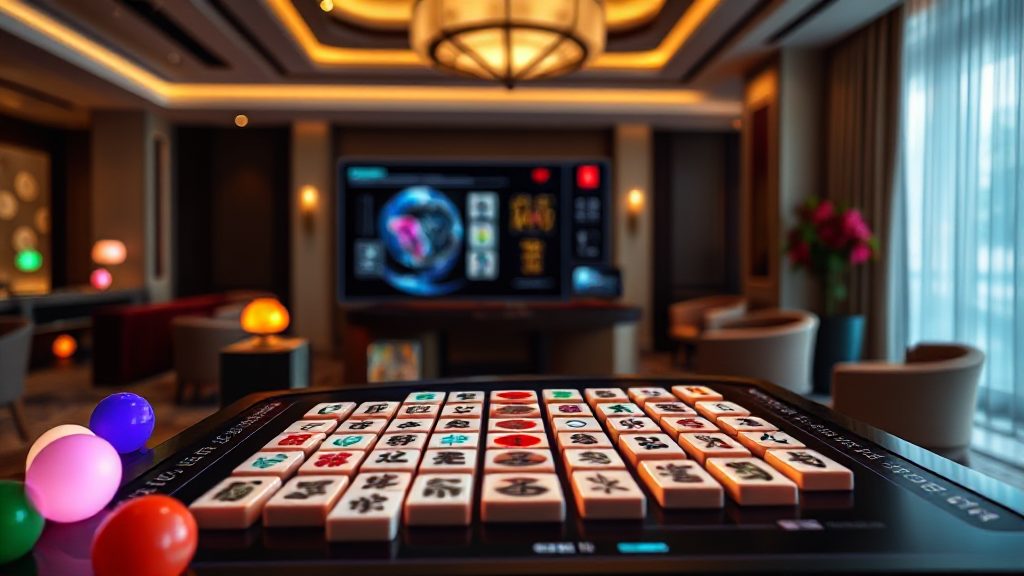
A Guided Tour of the Mahjong Ways Interface, Screen by Screen
Picture walking into a well-organized building. The entrance tells you where to go, the corridors lead you logically from one room to the next, and every display has a small plaque explaining what you are looking at. That is the best way to understand the Mahjong Ways experience on a platform like Situs Mahjong Ways. Instead of wandering, you move through a deliberate layout: lobby, game screen, information panels, and settings. This tour walks you through that layout in the order you would actually encounter it.
If you have ever opened a game and felt lost among buttons, this walkthrough is for you. We will treat each screen as a room and each feature as an exhibit, so you know exactly what to look at and why it matters. No hype, no guesswork — just a clear map of the interface.
The Entrance: What the Lobby Shows You First
The lobby is the front door of the platform. It greets you with a layout that prioritizes discovery: featured games, categories, and search tools. On a well-built site, the lobby does not overwhelm you with everything at once. Instead, it groups games by type and popularity, so your eye can settle on a starting point without scrolling for minutes.
Look for a search bar or filter menu near the top. These are the equivalent of a building directory. They let you narrow the catalog by game name, category, or provider. If you already know you want Mahjong Ways, the search field is the fastest route. If you are browsing, the category tiles act as corridors leading to different wings of the building.
Filters and categories that do the heavy lifting
Filters are the most underused feature in any game lobby. Players often scroll endlessly when a single tap on a category would solve the problem. On DEWACASH, the lobby is structured so that game selection is a practical service, not a maze. Use the filters to separate Mahjong Ways titles from other slot-style games, and use sorting options to surface newer releases or popular picks.
Another useful lobby element is the game card itself. Each card usually shows the title, a thumbnail, and sometimes a provider tag. Treat these cards as exhibit labels: they tell you what the game is before you commit to opening it. A quick scan of the cards can save you from jumping in and out of games repeatedly.
Stepping Into the Game Screen
Once you select Mahjong Ways, the game screen becomes your main gallery. This is where the visual theme, the reels, and the control panel live. The first thing to notice is the layout: reels in the center, controls at the bottom, and information icons at the edges. A good interface keeps these zones consistent so your eyes know where to go without re-learning the screen each time.
The control panel is the most important part of this room. It typically includes a spin button, a bet adjustment tool, and an auto-play option. These are not decorative. They are the instruments you use to interact with the game. Before pressing anything, take ten seconds to identify each control. That small pause prevents accidental bets and makes the whole session smoother.
Reading the reels and symbols
Mahjong Ways borrows its visual language from the classic tile game. You will see tile symbols, character marks, and themed icons arranged on the reels. The interface usually provides a paytable or symbol guide, often behind an info button. This guide explains which symbols matter and how combinations are formed. It is the plaque next to the exhibit, and skipping it is the most common mistake new players make.
Pay attention to how the game communicates wins. Winning lines are usually highlighted, and the interface may show a brief animation or a summary of the combination. Understanding these cues helps you follow the flow of the game instead of staring at the screen wondering what just happened.
Information Panels: The Plaques on the Wall
Every well-designed game has information panels, and Mahjong Ways is no exception. These panels are where the practical details live: paytable, game rules, feature explanations, and sometimes a history of recent rounds. They exist so you do not have to guess. The best habit you can build is opening these panels before you start playing, not after something confusing happens.
The paytable is the most valuable panel. It tells you the relative value of symbols and the conditions for triggering special features. Some versions of the game include a feature guide that explains how free spins or multiplier mechanics work. Reading this once gives you a mental model you can carry into every session.
Feature explanations and game patterns
Game patterns are a popular topic among Mahjong Ways players. The interface often includes a section describing the latest game patterns or feature behavior. Treat these descriptions as educational content, not guarantees. They explain how the game is structured, which is useful for setting expectations and understanding what you are seeing on screen.
If a panel offers a demonstration or a practice mode, use it. Practice modes are the equivalent of a guided exhibit where you can touch the controls without consequences. They are ideal for learning the layout before you play in a live session.
Settings and Customization: Adjusting the Lighting
Settings are the lighting and temperature controls of the building. They do not change the exhibits, but they make the visit comfortable. On most gaming platforms, settings let you adjust sound, music, visual effects, and sometimes screen layout. Taking a moment to configure these makes longer sessions easier on your eyes and ears.
Look for options to mute background music while keeping sound effects, or to reduce animation intensity. These small adjustments improve focus. If the platform offers a full-screen mode, try it — a cleaner view often makes the reels easier to read.
Account and session tools
Beyond visual settings, the account area is where you manage your session. This includes balance display, transaction history, and sometimes session limits. These tools are practical services that help you stay organized. Checking your balance and history regularly is a simple habit that keeps you aware of how the session is going.
Some platforms also provide responsible-play tools such as session reminders or time limits. These are worth knowing about even if you do not use them every time. They are part of the interface’s job: to keep the experience manageable.
Navigation Between Screens: The Corridors
Moving between the lobby, game screen, and account area should feel like walking down a clear corridor. A good platform keeps navigation consistent: a home button, a back button, and a menu that stays in the same place. If you find yourself hunting for the exit, the interface is not doing its job.
On DEWACASH, the structure is built around practical access to Mahjong Ways and related games. The navigation reflects that: game selection, latest patterns, and platform services are reachable without detours. When you learn the corridor layout once, every future visit becomes faster.
Switching games without losing your place
One useful test of any lobby is how easily you can switch games. If returning to the lobby resets your filters or scroll position, you lose time. A well-organized platform remembers context or provides quick-access shortcuts. Pay attention to how the site handles this — it is a small detail that separates a smooth visit from a frustrating one.
Common Mistakes Visitors Make on the Tour
The most common mistake is skipping the information panels. Players jump straight to the reels and then wonder why features behave unexpectedly. A minute spent on the paytable and rules saves confusion later. The second mistake is ignoring the lobby filters, which leads to endless scrolling and missed games.
Another frequent error is playing with default settings. Sound, animation, and bet settings are often left untouched, even when they do not suit the player. Adjusting them takes seconds and improves the whole session. Finally, many players never explore the account tools, missing useful history and session information that could help them stay organized.
Leaving the Building: A Final Walkthrough
As you exit, think about what made the tour useful. It was not a single button or a lucky moment. It was the structure: a lobby that guides, a game screen that communicates, panels that explain, and settings that adapt. That is what a well-designed Mahjong Ways interface offers — a clear path from entry to exit.
The next time you open the platform, walk through it deliberately. Start at the lobby, use the filters, open the game, read the panels, and set your preferences. Treat the interface as a space designed to be understood, and the experience becomes far more comfortable. For players who want a practical starting point, Situs Mahjong Ways presents itself as a place where that structure is the main feature. The tour ends here, but the layout is yours to revisit whenever you return.




More Stories